
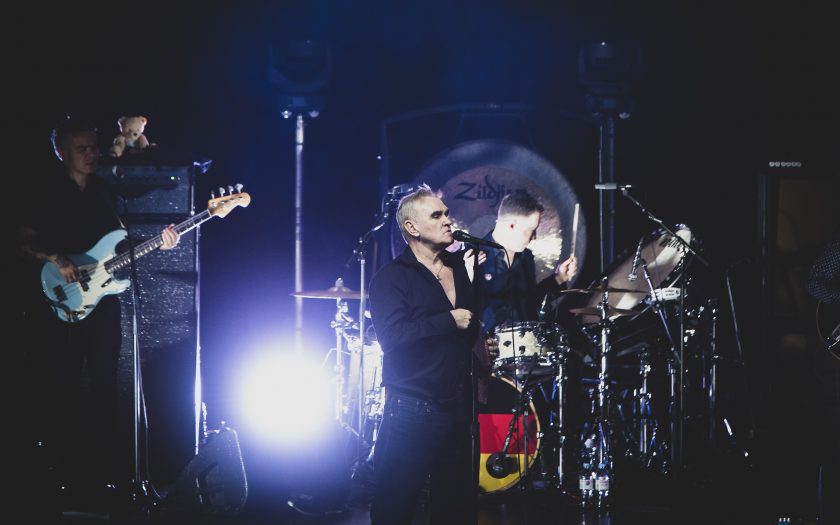
On February 17, Morrissey stopped in Frankfurt as part of his current German dates. The venue was well attended, anticipation clearly high.
After all, he remains not only a long-standing solo artist but, above all, the defining voice of The Smiths — one of the most influential bands in British pop history.
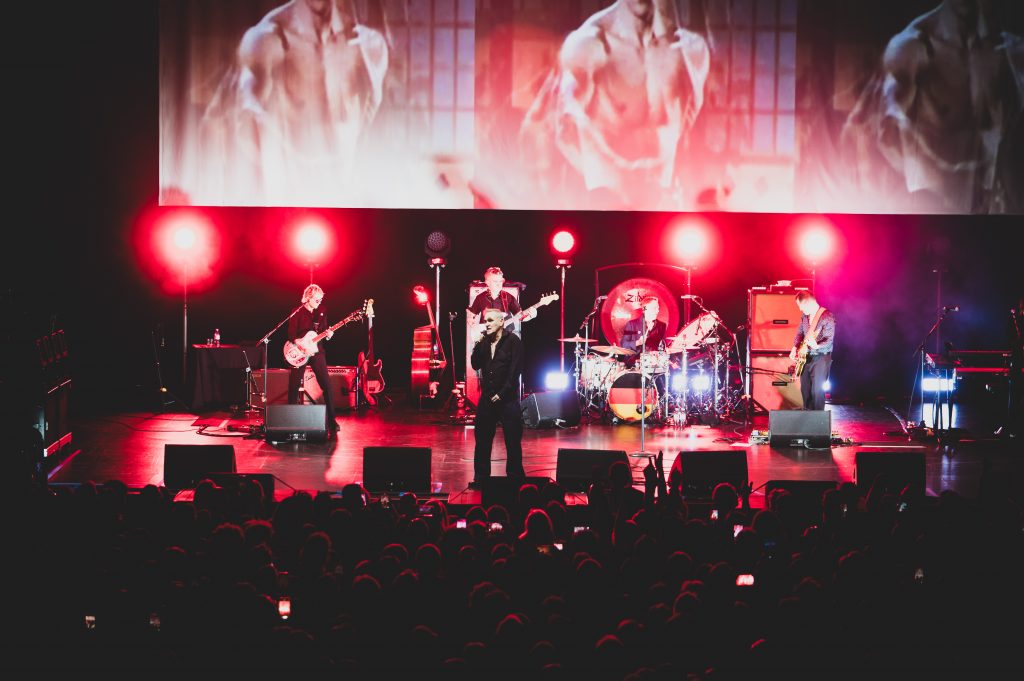
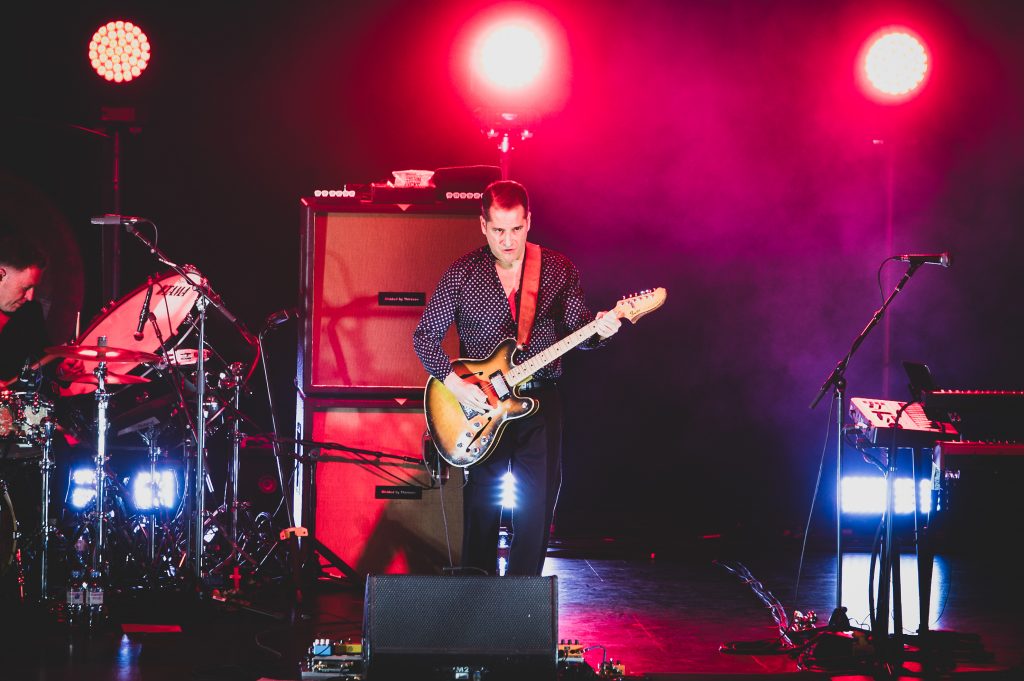
Musically, there was little to criticize. The sound was powerful and clean, and Morrissey’s voice proved remarkably steady and present. The audience embraced many of the classics with devotion. From a purely technical standpoint, he delivered. No crumbling myth, no nostalgic decline — vocally, he still has it. Yet this is precisely where the tension of the evening begins.
Between Legacy and Political Burden
In recent years, Morrissey has repeatedly drawn attention for political statements widely perceived as nationalist or right-leaning. His public support for certain political movements and controversial interviews have sparked ongoing debate. For many fans, this development is difficult to reconcile — especially for those who grew up with the introspective and socially aware lyrics of The Smiths.
The central question remains: Can the artist be separated from his political views?
In theory, yes. In practice, it becomes complicated. From our perspective, such a separation is not possible. Morrissey is not only a musician; he is a cultural figure who has had a profound influence on pop culture for decades. His voice shaped generations. Even today, he commands millions of followers worldwide — and with that reach comes responsibility. His public statements do not exist in isolation; they resonate through a vast audience.

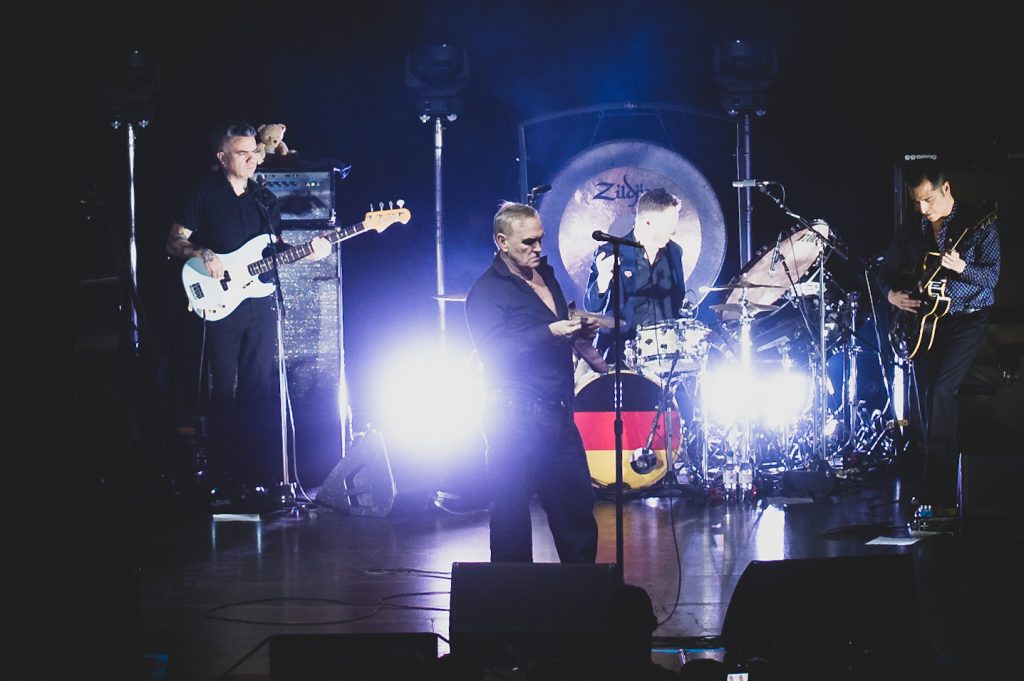
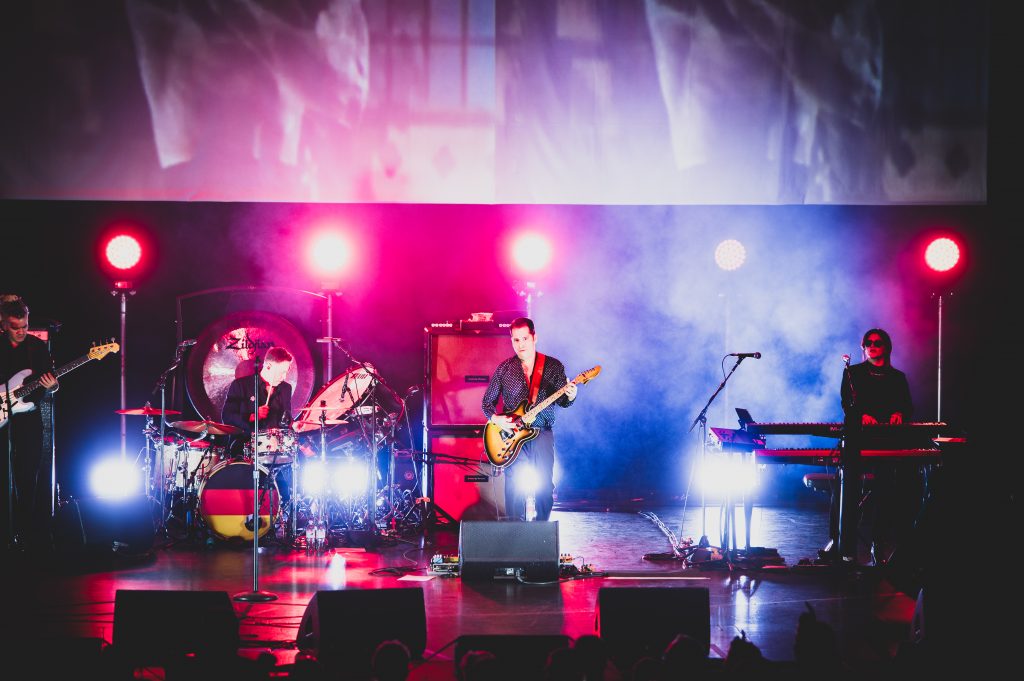
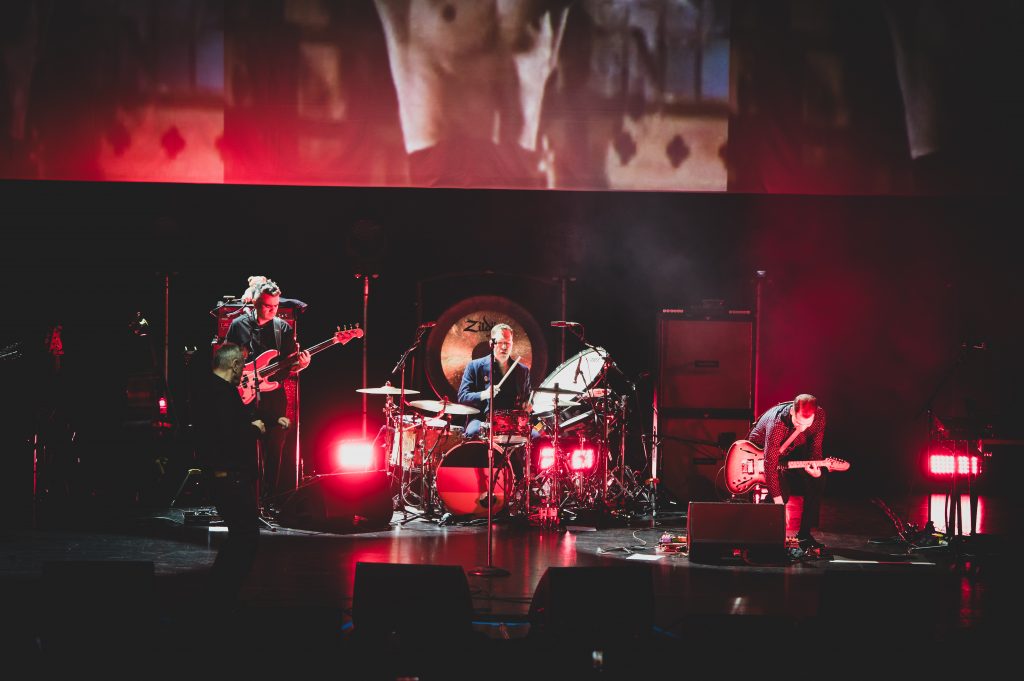
Art does not exist in a vacuum. It is shaped by worldview, attitude and personality. When an artist publicly and repeatedly voices political opinions, those positions inevitably become part of their public identity. Attending his concert therefore means engaging not only with the music, but with the person behind it.
An Audience Between Nostalgia and Detachment
It was striking how many in the audience appeared willing to set these controversies aside. Fans who grew up with The Smiths continue to celebrate the songs regardless of the political debate. Nostalgia is powerful. Emotional bonds to formative music are not easily severed by later controversies.
Whether this reflects indifference, a deliberate separation of art and artist, or simply a prioritization of the music is ultimately an individual decision. The fact remains: the hall was well filled. Interest has not faded.
A Sterile Performance
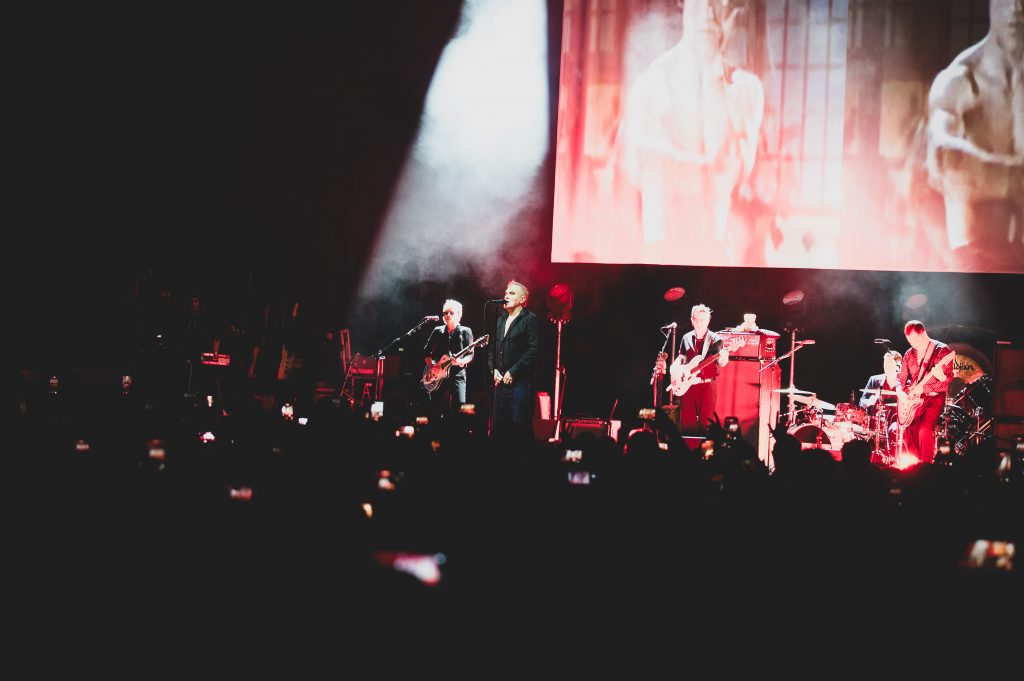
The show itself, however, felt unexpectedly sterile. Despite the strong musical performance, there was little genuine interaction between Morrissey and the audience. Few extended remarks, minimal visible connection — it felt more like a presentation than a shared experience.
For an artist whose lyrics are rooted in intimacy, vulnerability and emotional intensity, this distance felt almost contradictory. Technically impressive, emotionally reserved — that may best summarize the evening.
Conclusion
Morrissey remains a complex and polarizing figure. A singer with an unmistakable voice and enduring stage presence, yet also an artist whose political statements raise difficult questions. Given his lasting impact on pop culture and the magnitude of his platform, separating art from artist seems, at least to us, unrealistic. One can only hope that with his new album, Morrissey might find a sense of reconciliation — with himself and perhaps with the world around him.
Musically convincing. Atmospherically distant. Morally debated. An evening that leaves more reflection than euphoria.
Photos by Picture-Rebels.com/Martin Schmidt